
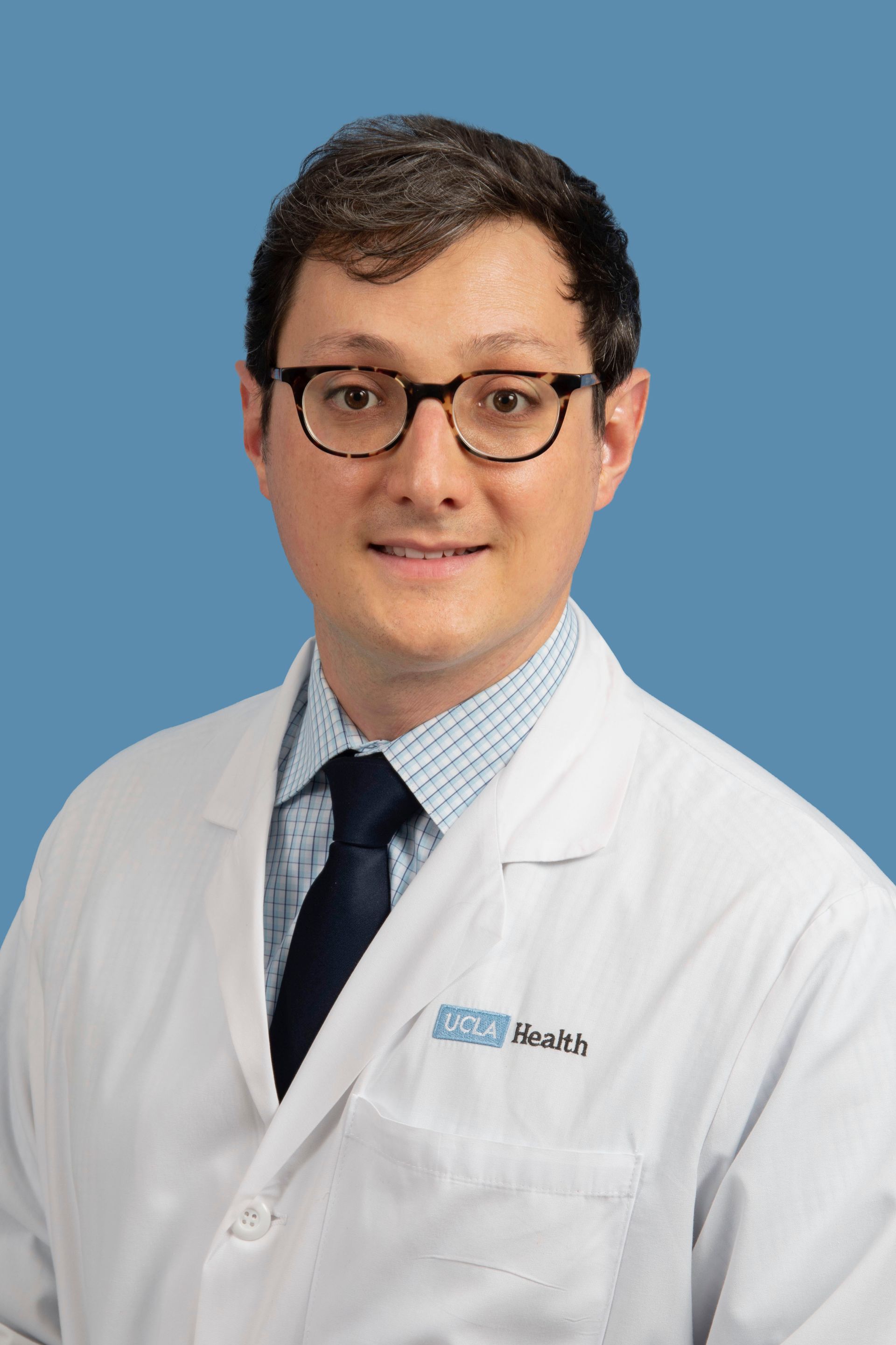
The Dan Lewis Foundation for Brain Regeneration Research (the DLF) is extremely pleased to introduce the recipient of the 2024 DLF Prize, Dr. William Zeiger. The DLF Prize recognizes an early career scientist in neuroscience, pharmacology, or biotechnology whose research record and future research plans align with one or more of the DLF’s current research priorities. These research priorities are:
- Research into pharmacological methods of reactivating or augmenting synaptogenesis
- Research into trials of repleting damaged cortex using derived cortical neurons
- Research into transcriptomic profiles of cortical neurons during recovery phase post brain injury
- Research furthering effective design of anti-sense oligonucleotides and/or other small molecule medicines to down-regulate inhibitors of regeneration in the cortex and spinal cord
Dr. Zeiger is a physician-scientist in the Department of Neurology, Movement Disorders Division, at UCLA. Dr. Zeiger was born in Burlington, Wisconsin and grew up in the suburbs of Chicago. He attended the University of Illinois at Urbana-Champaign where he majored in Molecular and Cellular Biology. He then completed the M.D.,Ph.D. program at the University of Chicago.
Dr. Zeiger’s doctoral research focused on understanding the cell biology of the stress-induced protein Stanniocalcin 2, and the role of calcium homeostasis in regulating amyloid beta production. Dr. Zeiger completed clinical residency training in neurology at the Johns Hopkins Hospital and UCLA. He then did a fellowship, specializing in movement disorders at UCLA and completing post-doctoral research in the laboratory of Dr. Carlos Portera-Cailliau. Dr. Zeiger has expertise in the diagnosis and medical treatment of movement disorders, including Parkinson's disease, atypical Parkinsonism, tremors, and dystonia, among others. His research interest includes understanding mechanisms of cortical circuit function in the healthy brain and how dysfunction of cortical circuits contributes to pathophysiology and symptoms of neurologic disorders such as stroke and Parkinson's disease.
Dr. Zeiger has had extensive training in both clinical neurology and in research neuroscience. In Dr. Zeiger’s words, “During my time in clinical training, I came to appreciate that many neurologic disorders, particularly those resulting from stroke or other acute brain injuries, operate on the level of neural circuits and that I would need to acquire new research skills to investigate neural circuits. Toward that end I joined the laboratory of Dr. Carlos Portera-Cailliau where I developed expertise in interrogating neural circuits using a classic “lesional neurology” approach. Our lab remains focused on understanding how neural circuits become dysfunctional after lesions to the cortex and on investigating novel circuit-based approaches to reactivate and restore damaged cortex”.
The DLF is enthusiastic regarding the content and quality of Dr. Zeiger’s work. We believe he will make significant contributions to the field of brain regeneration in the future. We look forward to his participation in and contributions to the DLF.