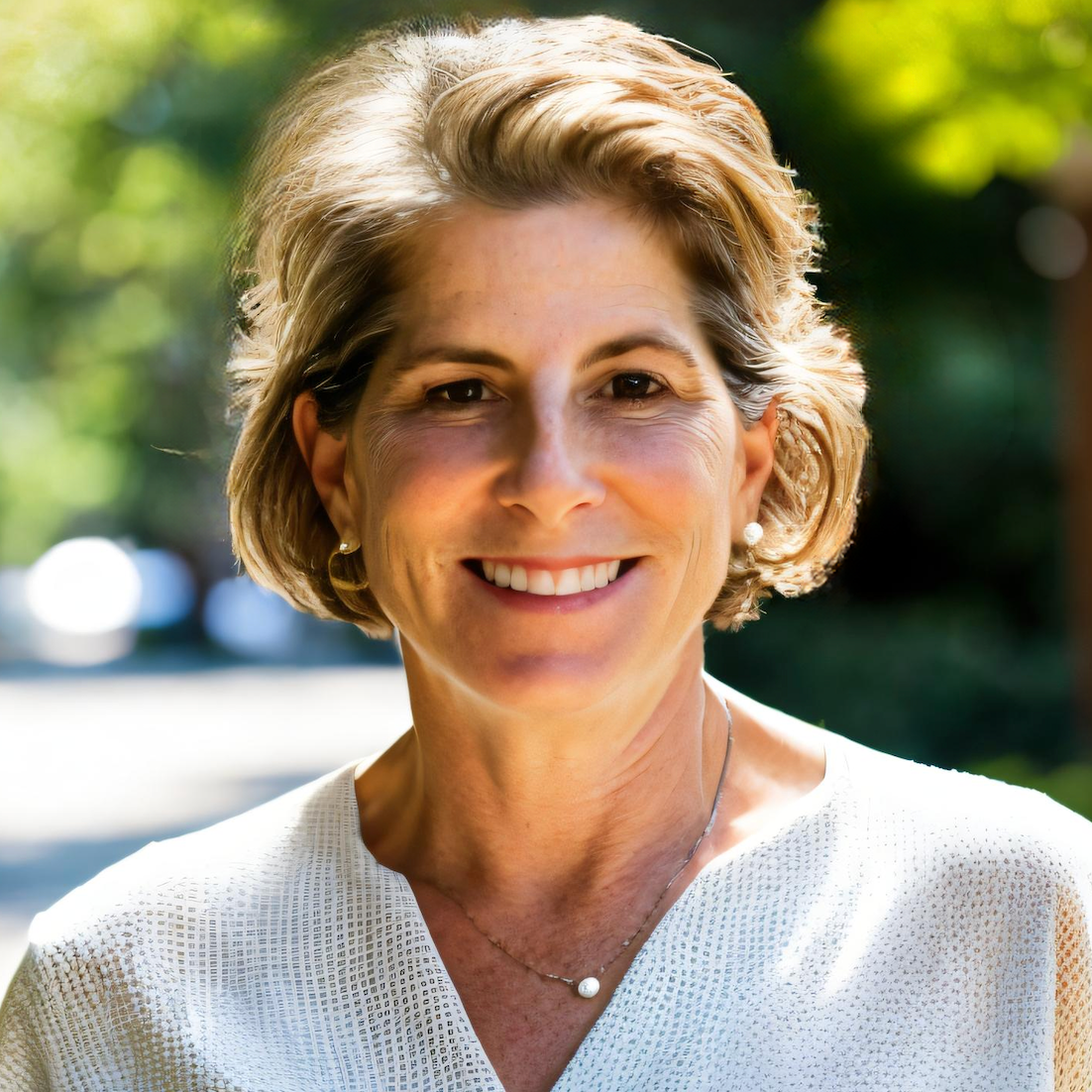

Dr. Kim Gorgens is a board-certified rehabilitation psychologist and Professor of Psychophysiology, Clinical Neuropsychology and Psychology of Criminal Behavior at the University of Denver. She manages a large portfolio of brain injury related research and has lectured extensively on those issues around the world. She has a 2010 TED talk on youth sports concussion and a 2018 TED talk on brain injuries in criminal justice with 3.5M views. She has been interviewed on CNN with Anderson Cooper, NPR, and on 20/20 and her work with brain injuries has been featured in USNews, Newsweek, the Economist, People Magazine, and more. She has a small forensic neuropsychology practice with juvenile and death penalty cases and is active in legislative and policy development around best practices in brain injury. Her research studies the reported injury history, cognitive function, and brain biomarkers of all vulnerable populations including young and older athletes, probationers and inmates, persons who are unhoused, and women who have been exposed to interpersonal violence.
Lisa A. Brenner, Ph.D., is a Board-Certified Rehabilitation Psychologist, and a Professor of Physical Medicine and Rehabilitation, Psychiatry, and Neurology at the University of Colorado, Anschutz Medical Campus. Dr. Brenner is a Senior Clinical Investigator at the Department of Veterans Affairs Rocky Mountain Regional Medical Center. She co-leads the VA Brain Health Coordinating Center (BHCC) and the Military and Veteran Microbiome Consortium for Research and Education (MVM CoRE). She is the past Chair of the International Brain Injury Association and a past President of Division 22 (Rehabilitation Psychology) of the American Psychological Association (APA), as well as an APA Fellow. She serves as an Associate Editor of the Journal of Head Trauma Rehabilitation. Dr. Brenner is a leading expert in the field of traumatic brain injury and comorbid psychiatric disorders. She has over 250 peer-reviewed publications, participates on national advisory boards, and has co-authored a book titled: Suicide Prevention After Neurodisability: An Evidence-Informed Approach. She is also a Co-Editor of the APA Handbook of Rehabilitation Psychology (3rd Edition) and is the current Editor of the Oxford University Press Academy of Rehabilitation Psychology Series.