New DLF Board of Directors Members Introduced
Hal Lewis
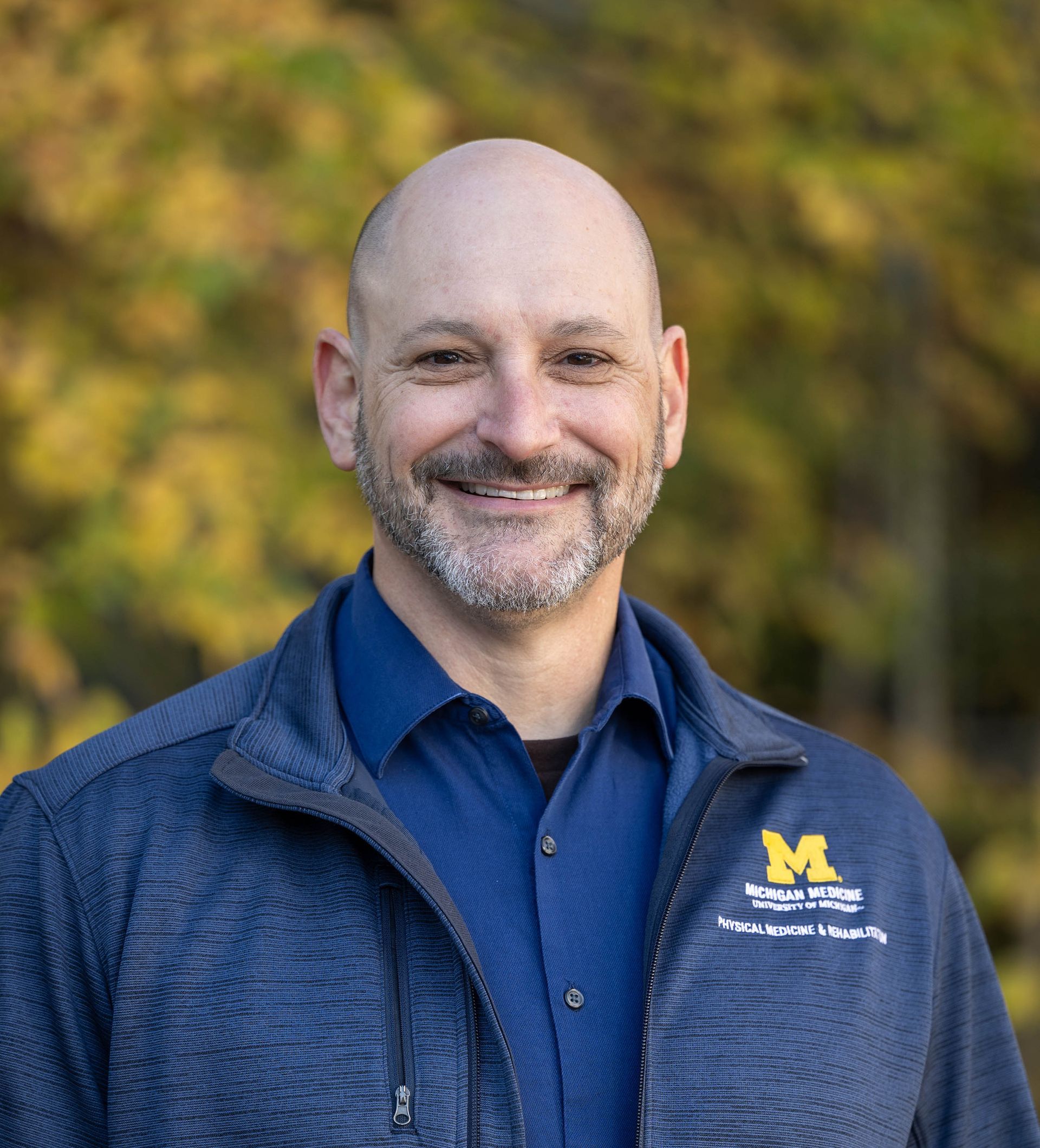
Photo of Jonathan Lifshitz, PhD

Jonathan Lifshitz, PhD, leads the Neurotrauma & Social Impact research team as a joint venture between the University of Michigan Concussion Center, Michigan Medicine Physical Medicine & Rehabilitation, and the VA Ann Arbor Health Care System. He is a Michigan Impact Professor and VA Research Health Scientist. Research projects focus on investigative, restorative, and regenerative treatments for traumatic brain injury as it develops into chronic neurodegenerative disease. We investigate domestic violence, child abuse, gender imbalance, and Veteran mental health, with focus on inflammation and circuit reorganization to detect and intervene. The goal is to train generations of investigators to apply rigorous data to work for social impact, including health and medical outcomes.

Dr. Ronen Friedman is an experienced MD/MBA Board Certified Healthcare Executive with a demonstrated history of working in inpatient and outpatient settings. Skilled in start-ups, leadership, strategic planning, change management, operations, and business development, HR, and team building, with a strong emphasis on evidence-based business development, evidence-based medicine, clinical outcomes, and continuous improvement. Dr. Friedman has been a clinical researcher since 1999 starting at the military branch of the CDC, and then concentrating on trauma surgery, post surgical and post injury inflammation, intensive care, and traumatic brain injuries. 
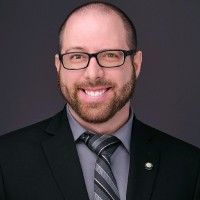
Photo of Dr. Ronen Friedman
Gloved hands hold a tablet showing medical data in a lab with blurred researchers in the background
By Dan Lewis Foundation July 24, 2026
ARPA-H, which stands for Advanced Research Projects Agency for Health, is an agency within the U.S. Department of Health and Human Services. One of its major projects is called the FRONT program which stands for Functional Repair of Neocortical Tissue .  The FRONT program focuses on repair and regeneration of the neocortex, the largest part of the brain. The neocortex is critical for many aspects of cognition and everyday functioning. The neocortex can be damaged in many ways including stroke, traumatic injury, and neurodegeneration, such as in Alzheimer's disease. Serious damage to the neocortex often causes individuals to be dependent on costly therapies or caregivers and can also lead to related health and medical problems. The FRONT program hopes to alter this pattern by using cutting-edge neurodevelopmental principles and stem cell technology to regenerate brain tissue and restore lost functions.
Lab technicians in blue gloves working with samples in a bright laboratory
By Hal Lewis July 24, 2026
For decades, families facing severe traumatic brain injury have lived with a painful assumption: once brain tissue is lost, recovery is limited to what the surviving brain can re-learn. Rehabilitation can help. Technology can assist. Time can produce surprises. But the central wound—the loss of brain cells, circuits, and connections—has often been treated as permanent. That assumption is beginning to change.